Questions Business Owners Can Ask When Choosing a Fire Protection Provider in Denver
Choosing a fire protection provider is not like hiring a janitorial company or comparing copier leases. If the work is done well, most people barely notice it. If it is done poorly, you can end up with failed inspections, repeated false alarms, tenant complaints, frozen sprinkler piping, expensive rework, or a system that does not perform the way the building actually needs.
That is especially true in Denver, where the conversation should never stop at, “Are you licensed?” or “What’s your annual inspection price?” Denver adopts the International Code Council family of codes with local amendments, which means the practical requirements for your building can differ from the base model code. A provider who works here regularly should be comfortable talking about local interpretation, coordination with the authority having jurisdiction, and the difference between a generic answer and the right answer for your exact property.
Over the years, I have seen owners make the same mistake in different ways. They assume all fire protection firms are roughly interchangeable, then choose on speed or price alone. A few months later they are trying to sort out why the alarm panel keeps throwing trouble signals, why a warehouse dry system was not set up with winter conditions in mind, or why inspection reports read like a stack of unresolved deficiencies instead of a useful maintenance roadmap.
A better approach is to ask sharper questions up front. The right provider will not be annoyed by them. They will welcome them.
Start with local code knowledge, not just product knowledge
One of the first things I would ask is simple: how do you handle Denver requirements and local amendments on a project like mine?
That question does two things. First, it pushes the provider beyond sales language. Second, it reveals whether they understand that code compliance is local, not just national. A firm may know the base standards very well and still miss something if they treat Denver like every other city. The strongest answers usually sound practical. They mention verifying project requirements with the local fire marshal or authority having jurisdiction when needed. They talk about review timelines, permit coordination, and how local enforcement can affect design decisions, testing schedules, and closeout.
If a contractor answers with broad statements such as “We do everything to code” but cannot explain how they confirm Denver-specific expectations, that is a warning sign. Fire protection is full of details that seem minor until they are not. One building may need a straightforward service call. Another may involve a tenant improvement, a revised fire alarm sequence, or an occupancy change that triggers review. Those are not the same situation.
This is also where building type matters. A restaurant, a warehouse, a medical office, a mixed-use property, and a data-heavy environment all create different questions. If your facility has special hazards or regulated materials, planning may also have to account for permits and inspections from local fire authorities. Good providers do not gloss over that. They build it into the schedule early.
Ask how they decide what system type fits the building
Many owners focus on the annual inspection contract before they ask the more basic question: are we even using the right protection approach for this space?
In Colorado, climate can make that question very practical. If you have unheated areas, loading docks, parking structures, canopies, exterior riser exposure, attic spaces, or other locations where freezing is a realistic concern, ask the provider how they evaluate sprinkler freeze protection Colorado conditions. You want to hear about the environment, not just the equipment catalog.
For some buildings, a dry pipe sprinkler system Colorado solution makes sense in areas subject to freezing. In other settings, a pre action sprinkler system Denver property managers might consider can be part of the discussion, particularly where accidental discharge would be a major concern. The key point is not that one system is always better. It is that the provider should be able to explain the trade-offs clearly.
A confident, experienced answer should sound something like this in substance: we look at temperature exposure, occupancy, contents, acceptable water delivery characteristics, maintenance expectations, and what the local authority will expect for the application. It should not sound like a sales pitch for whatever they install most often.
I have seen owners get into trouble when a contractor treats every cold-weather problem as a dry system problem, or every sensitive space as a pre-action conversation, without stepping back to look at the building as a whole. The right recommendation often comes from restraint. Sometimes the best provider is the one who says, “Before we propose that, we need to verify these conditions.”
Press on inspection schedules and standards
A smart owner should ask, how will you build our inspection and testing schedule, and what standards are you using?
That is where you want to hear NFPA 25 for water-based fire protection systems and NFPA 72 for fire alarm and signaling systems. NFPA 25 inspection Colorado work is not a once-a-year box to check. It is a framework for inspection, testing, and maintenance, and many tasks fall on monthly, quarterly, semiannual, annual, and longer multi-year intervals. The same goes for alarm systems under NFPA 72 fire alarm testing Denver programs, where design, testing, inspection, maintenance, and monitoring functions all matter.
A good provider should be able to explain fire sprinkler inspection frequency Colorado owners can expect in plain language. They should not need to quote chapter and verse to you, but they should be able to describe how a service calendar is built, what recurring tasks happen at different intervals, and how deficiencies are documented and tracked.
This matters because some firms sell a low annual price that covers only a thin slice of what the building really needs. Then the owner learns later that valve inspections, supervisory signal checks, alarm device testing, trip testing, or other required activities are extra, overdue, or not included at all. The result is not only added cost. It is confusion. And confusion is the enemy of compliance.
When a provider walks you through the schedule, listen for whether they tailor the plan to your systems or speak in vague generalities. A property with sprinklers, monitoring, kitchen suppression, and a complex alarm network should not be treated like a one-panel, one-riser light commercial space.
Find out how they deal with deficiencies after inspections
Inspection reports are easy to hand over. Deficiency management is harder, and much more important.
Ask this directly: when you find a problem, how do you classify it, communicate it, and help us correct it?
This is where experienced companies stand out. Maintenance findings often reveal out-of-compliance conditions, and not all deficiencies are equal. Some are housekeeping and documentation issues. Others affect reliability in ways that deserve immediate attention. Owners need a provider that can explain the difference, provide a clear path to correction, and avoid turning every issue into a panic or every issue into a shrug.
I would also ask whether the company keeps inspection and repair work connected enough that nothing gets lost between departments. It is surprisingly common for an owner to receive a report, forward it internally, get busy, and discover six months later that the same deficiency is still open. The best service partners reduce that drift. They make next steps obvious.
If you need fire system certification Denver documentation for compliance, occupancy, insurance, or project closeout, ask how that paperwork is handled and what conditions have to be satisfied before they sign off. You do not want to learn at the end of a project that “certification” means something narrower than you assumed.
Ask detailed questions about fire alarm experience
Many companies can inspect a panel. Fewer can diagnose why a system is generating nuisance issues, device troubles, or repeat service calls.
That is why business owners should ask, what is your approach when a system is technically operating but causing repeated headaches?
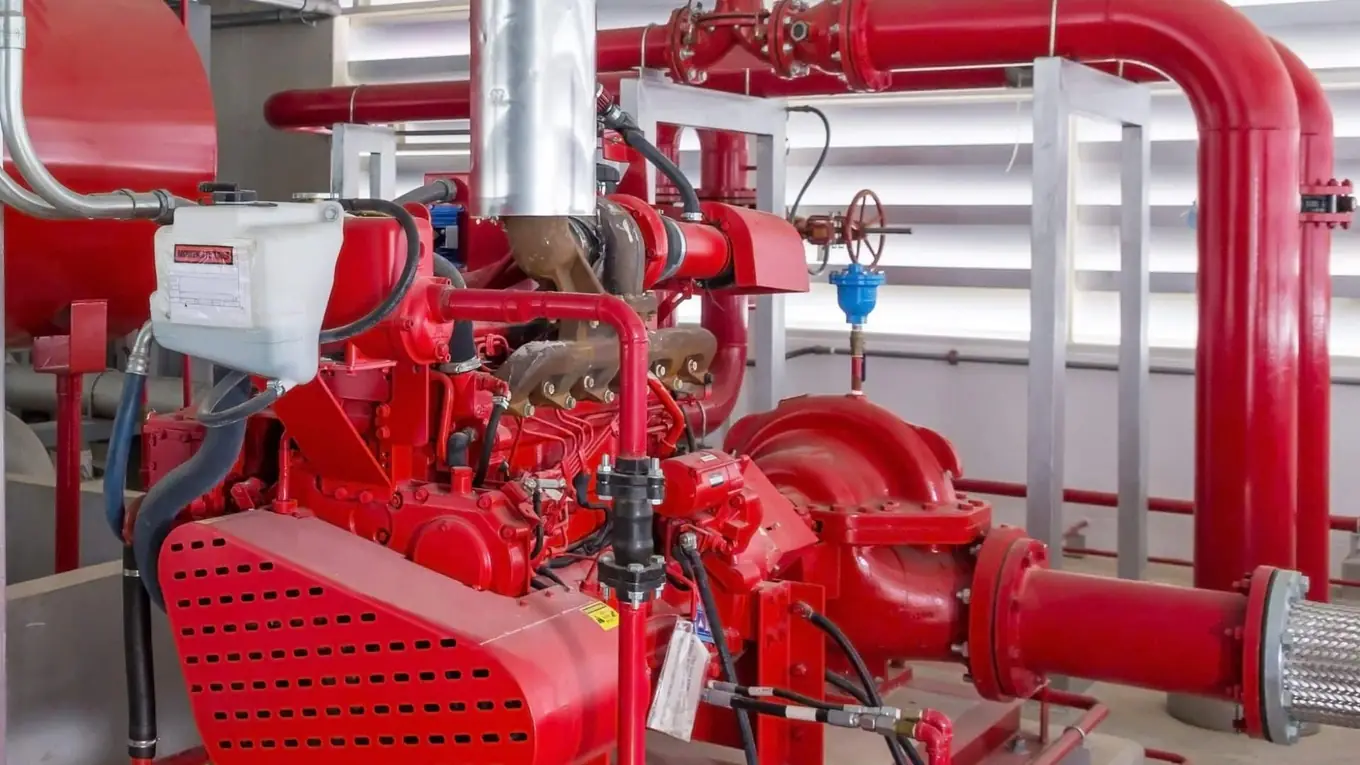
In Denver, this question has real weight. Local fire code amendments address false alarms and problematic fire alarm systems, including repair or replacement when unintentional false alarms repeat, and there can be reimbursement requirements tied to some false alarm responses. That means fire alarm false alarms Denver owners live with are not merely an annoyance. They can become a code and cost problem.
The answer you want should focus on root-cause troubleshooting. If a contractor talks only about replacing parts one by one until the problem disappears, keep digging. Sometimes the issue is device placement. Sometimes it is environmental. Sometimes it is panel programming, aging components, or poor previous installation practices. A thoughtful provider should have a process for diagnosing repeat problems rather than simply billing repeated trips.
This is also the place to ask about fire alarm detectors and panels Denver facilities depend on every day. Not every building needs the same strategy. A small office, a restaurant, and a multi-tenant building create different service realities. You want to know whether the provider is comfortable supporting the type of panel and field devices you have, how they document testing, and how they coordinate any required downtime with operations.
Don’t treat monitoring as an afterthought
Monitoring gets overlooked because it is not as visible as sprinklers or alarm devices on the wall, but it can be the link between a system event and a response.
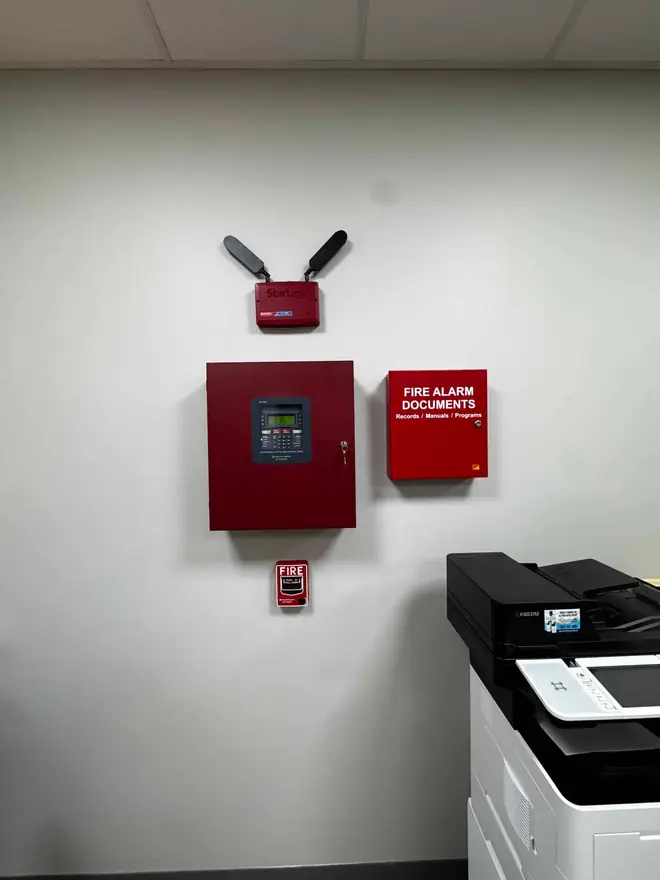
Ask the provider how they determine whether a building’s system should transmit to a central station, commercial monitoring service, or a continuously staffed monitoring service, depending on the application. In Denver, code text requires certain fire alarm or emergency communication devices to transmit to one of those monitoring arrangements depending on the situation. That means your provider should not treat monitoring as a one-size-fits-all subscription.
If your property is in the metro area and you are discussing fire alarm monitoring Aurora CO options for one building while managing a Denver location as well, that is another reason to ask how they handle jurisdictional differences. A company that works across the region should be careful and specific, not casual.
Owners often ask only about monthly cost here. Cost matters, but reliability, signal handling, account setup accuracy, and coordination during testing matter too. I have seen more than one building create confusion because nobody verified how test signals, supervisory conditions, and after-hours call lists were actually set up.
Ask about kitchens, special hazards, and sensitive spaces
If your business has a commercial kitchen, the provider should be able to discuss commercial kitchen fire suppression Denver requirements without lumping them into the rest of the building systems. Kitchen suppression has its own practical service issues, and the operational stakes are high. A restaurant cannot afford unnecessary downtime, but it also cannot afford to treat the hood system like a side item that gets attention only when the health department or insurer is due to visit.
If your building houses sensitive equipment, archives, electronics, or other contents where water discharge would be a severe problem, then it is fair to ask whether clean agent fire suppression Colorado applications are part of their experience. That does not mean every server closet needs a special hazard system. It means the provider should understand when the conversation is appropriate and when it is not.
The important pattern here is judgment. Good firms know the difference between a legitimate special hazard need and an expensive overreach. Great firms can explain that difference in plain English.
Ask who actually does the work
Owners often assume the company presenting the proposal is the company performing the work with its core team. That is not always the case.
You do not need to be confrontational about it, but you should ask who will perform inspections, testing, repairs, and project work, and how information moves between the field and your account contact. The goal is to understand continuity. A lot of service problems come from handoff failure, not technical failure. The technician notices one issue, the office writes up another, the owner approves only part of the repair, and six weeks later everyone has a different understanding of system status.
This is particularly important when your portfolio includes more than one building. If you need routine service in Denver, annual coordination in Lakewood, and maybe a separate monitored account elsewhere in the metro area, consistency becomes part of the value. A provider offering fire safety inspection Lakewood CO support, Denver testing, and broader regional service should still deliver one coherent recordkeeping process.
Pricing matters, but scope matters more
Every owner asks about price. They should. Fire protection is an ongoing cost center, and budgets are real. Still, one of the best questions you can ask is, what exactly is included, and what usually ends up outside the proposal?

That question cuts through a lot of noise.
Some contracts are lean by design. That is not automatically bad if the owner understands the limits. Problems start when a basic proposal is presented as comprehensive service. Ask whether the price includes recurring inspections only, or also testing, device-by-device verification, deficiency reporting, emergency service response, report submission, and coordination for required follow-up. Ask how repairs are quoted. Ask whether permit-related effort is included when applicable.
I have seen two bids look similar at first glance and diverge sharply once you compare actual scope. The lower bid may exclude enough work that it stops being lower the first time a deficiency appears.
Questions worth asking in the first meeting
- How do you verify Denver-specific code and amendment requirements for buildings like ours?
- How will you build our inspection and testing calendar under NFPA 25 and NFPA 72?
- If you find deficiencies, how do you prioritize repairs and document open items?
- What is your process for troubleshooting repeat false alarms or recurring troubles?
- Who handles monitoring, permits, and coordination with the authority having jurisdiction when needed?
These questions are not meant to trap a provider. They are meant to reveal whether the company thinks clearly and communicates well. You are looking for calm, specific answers, not polished evasions.
Listen for how they talk about scheduling and disruption
A provider can be technically competent and still create chaos for your tenants or staff if they do not plan work carefully.
Ask how they schedule testing around business operations, especially if occupant notification appliances will sound, monitored signals must be put on test, kitchen systems may affect cooking operations, or sprinkler impairments require temporary operational changes. The strongest vendors treat scheduling as part of life safety, not just customer service. They know a poorly timed test can create confusion, unwanted dispatches, and frustrated occupants.
This is one reason experience matters. A veteran technician understands that an occupied property has rhythms. Offices have meeting-heavy hours. Restaurants have prep windows and rushes. Warehouses may have shipping cutoffs. Schools, clinics, and mixed-use buildings each bring their own coordination issues. A provider who asks about those conditions early usually handles the rest of the job better too.
Be careful with companies that promise certainty where none exists
One of the most reassuring things a strong provider can say is, “We need to confirm that with the AHJ.”
Owners sometimes mistake that answer for weakness. Usually it is the opposite. Denver requirements can involve local amendments, and project conditions can trigger review questions that are not wise to guess at. A contractor who gives instant certainty on every code question may be oversimplifying.
That does not mean you want indecision. You want informed judgment. The provider should know what is routine, what is likely, and what needs confirmation. That distinction can save time and money.
A few red flags that deserve attention
- They speak confidently about national standards but avoid discussing Denver’s local amendments.
- They quote one annual fee without explaining inspection frequencies, testing scope, or deficiency follow-up.
- They dismiss repeated nuisance alarms as normal instead of treating them as a problem to solve.
- They cannot explain how monitoring, testing, and local response requirements fit together.
- They rush to recommend expensive system changes before they understand the building conditions.
None of these automatically disqualify a company, but each should prompt more questions.
The best provider usually sounds practical, not flashy
Fire protection is a field where steady competence beats dramatic salesmanship. The provider you want will likely spend less time trying to impress you and more time trying to understand the building, its risks, and its obligations. They will talk about standards without hiding behind jargon. They will acknowledge when Denver-specific review matters. They will respect the realities of cold weather, occupancy, operations, and paperwork. They will be able to discuss a dry pipe sprinkler system Colorado owners may need in one area, a pre action sprinkler system Denver facilities may consider in another, and the very different service needs https://frontrangefireinspections027.quantlynix.com/posts/fire-pump-testing-colorado-why-water-supply-performance-matters-to-sprinkler-system-readiness of alarms, monitoring, kitchens, and special hazards.
Most of all, they will help you run a safer building with fewer surprises.
That is the real goal here. Not just passing the next inspection, but building a relationship with a provider who can keep your systems reliable, keep your documentation straight, reduce avoidable disruption, and tell you the truth when a situation is simple, complicated, urgent, or still waiting on local confirmation. When a company can do that consistently, it stops being just a vendor and starts becoming part of how you manage risk well.